Cloud infrastructure & IaC
Terraform and Pulumi-based infrastructure that is reproducible, version-controlled, and auditable. AWS, GCP, and Azure, including Kubernetes cluster design and management.
Infrastructure that deploys reliably
IaC-based cloud infrastructure, CI/CD pipelines, and observability built to make reliability a system property, not something your on-call rotation compensates for.
Terraform and Pulumi-based infrastructure that is reproducible, version-controlled, and auditable. AWS, GCP, and Azure, including Kubernetes cluster design and management.
Deployment pipelines from commit to production, with environment promotion, rollback paths, and release controls matched to your team's workflow.
Structured logging, distributed tracing, alerting, and runbooks. We instrument your system so that when things go wrong, you know before your users do.
Resource rightsizing, capacity planning, resilience checks, and SLO definition. We make reliability a system property, not an SRE headcount problem.
One senior engineer owns the deploy, and everyone holds their breath until it's done. The fix is pipeline engineering, not more process documentation.
Undocumented AMIs, manually configured cloud resources, and deployment scripts no one has touched in two years. A new engineer can't run any of it.
No alerting, no tracing, no structured logs, the first signal is a support ticket, not a dashboard.
Oversized instances and architecture decisions made under early-stage time pressure, never revisited since.
We start by understanding how your team deploys, operates, and recovers today. Then we improve the riskiest parts first, so production does not depend on one big migration, one undocumented script, or one engineer who knows where everything lives.
We map existing infrastructure, deployment process, and incident history before changing anything.
Infrastructure audit, risk map
IaC modules, pipeline stages, and observability coverage, scoped to what the team will actually operate, not a theoretical best-practice stack.
Target architecture plan
No big-bang cutover. Each stage ships and is validated in production before the next begins.
Staged migration, validated at each step
Runbooks, architecture diagrams, and on-call procedures a new engineer can follow without you in the room.
Runbooks, architecture docs, on-call procedures
Production work needs a team with delivery history, not only cloud tooling knowledge.
The exact scope depends on your current infrastructure, but the engagement should leave your team with assets they can operate, review, and extend, not a black-box setup that only the vendor understands.
Terraform/Pulumi modules, version-controlled and documented, ready for your team to extend.
Configured with rollback and environment promotion, integrated into your existing release process.
Dashboards, alerting rules, and runbooks scoped to your actual failure modes, not generic templates.
Concrete rightsizing recommendations tied to your actual usage, not industry averages.
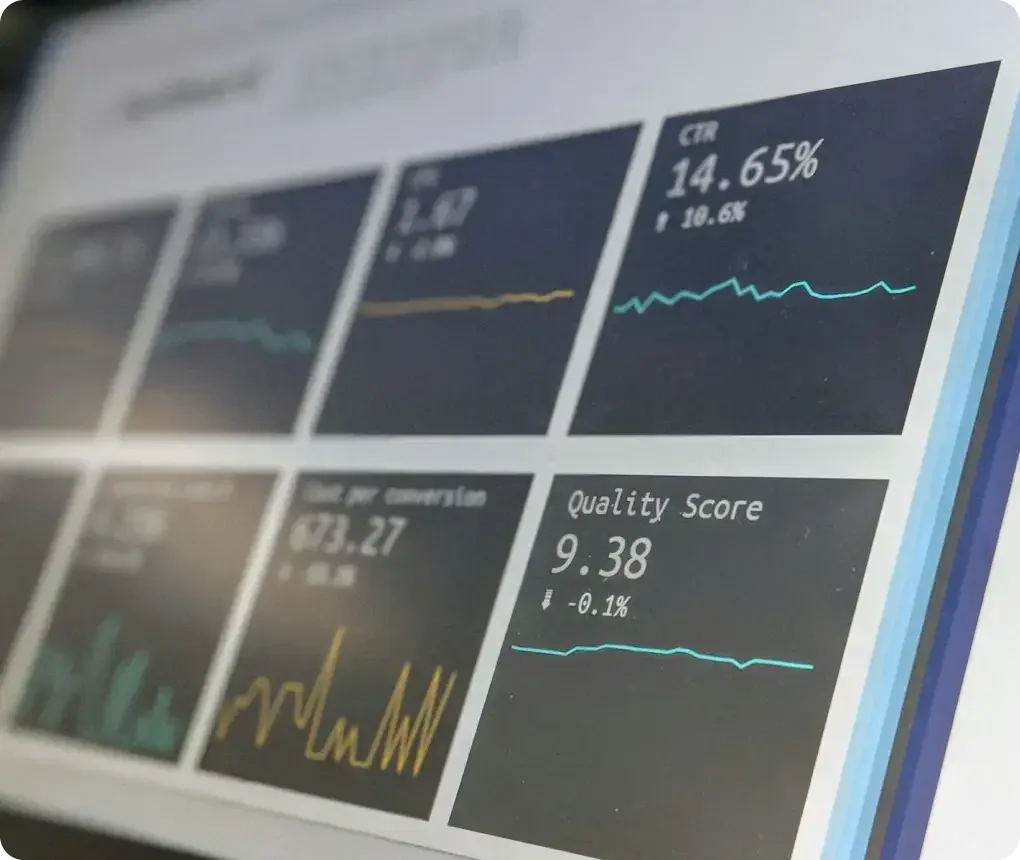 E-commerce
 Engineered a fault-tolerant data streaming platform for ActiDash capable of processing billions of e-commerce events — delivering near real-time dashboards across sales, marketing, and consumer behavior metrics to business stakeholders, delivered ahead of schedule.
Read case study IoT & Industrial Tech
 Engineered a lightweight, cloud-agnostic IoT platform for MirrorIOT that supports high-throughput sensor data ingestion, multi-tenant device management, and secure OTA firmware updates — eliminating cloud vendor lock-in and enabling deployment across cloud and on-premises environments.
Read case study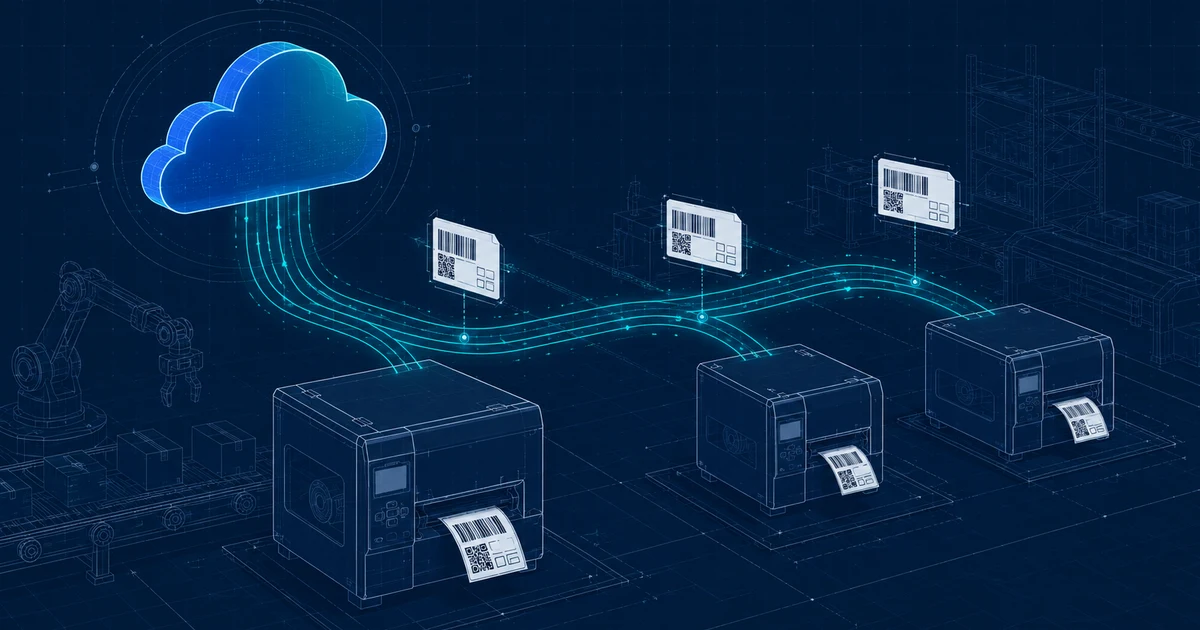 Manufacturing
 Built a hybrid microservice that bridged ZPL industrial printers to Microsoft Business Central ERP via Azure — enabling remote, centralized label printing across multiple factory locations without network reconfiguration, and eliminating the manual intervention that was creating production bottlenecks.
Read case studyIt depends on the starting state more than anything else, an audit-and-fix on an existing AWS setup runs differently than a full migration across providers. Scoping happens before any commitment, and the timeline comes out of that, not a fixed package.
We work inside your existing provider by default. A provider migration only gets proposed if there's a concrete reason, cost, compliance, or a capability gap, and that gets discussed and agreed before it happens, not decided unilaterally mid-engagement.
Nothing gets replaced in one move. Each stage of the migration ships and is validated in production before the next begins, so the current system keeps running throughout, there's no maintenance window where everything is down at once.
Handoff includes the documentation and runbooks your team needs to run on-call themselves. If ongoing operational support is wanted instead of a full handoff, that's a separate, explicit engagement, not something bundled in by default.
By impact and risk, not by what's easiest to automate. The audit stage identifies which manual steps are actually slowing deploys or causing incidents, and that ordering drives the sequence, not a generic checklist.
Only where the current setup genuinely can't support what's needed, for example, replacing undocumented manual scripts with IaC. We don't introduce tooling for its own sake, and any new tool gets flagged and explained before it's adopted.
Book a call. We'll discuss your current deployment process, reliability gaps, and what a DevOps engagement would scope to.