Scale & Evolve · Ongoing

Keep production systems moving after launch.

Roadmap progress every sprint. Architecture continuity across integrations, infrastructure, and AI workflows. Monthly accountability reviews. 30-day exit, clean handoff.

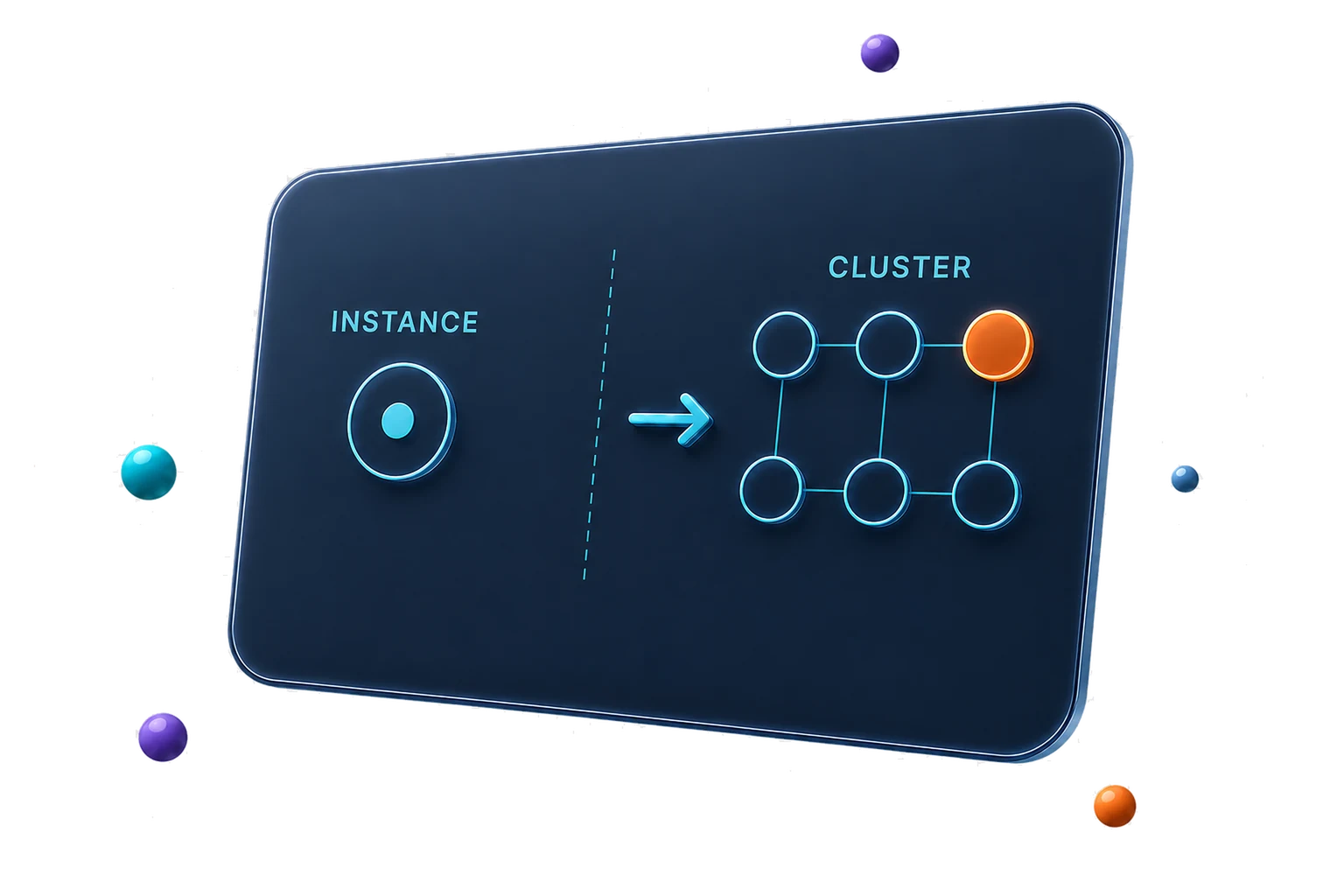
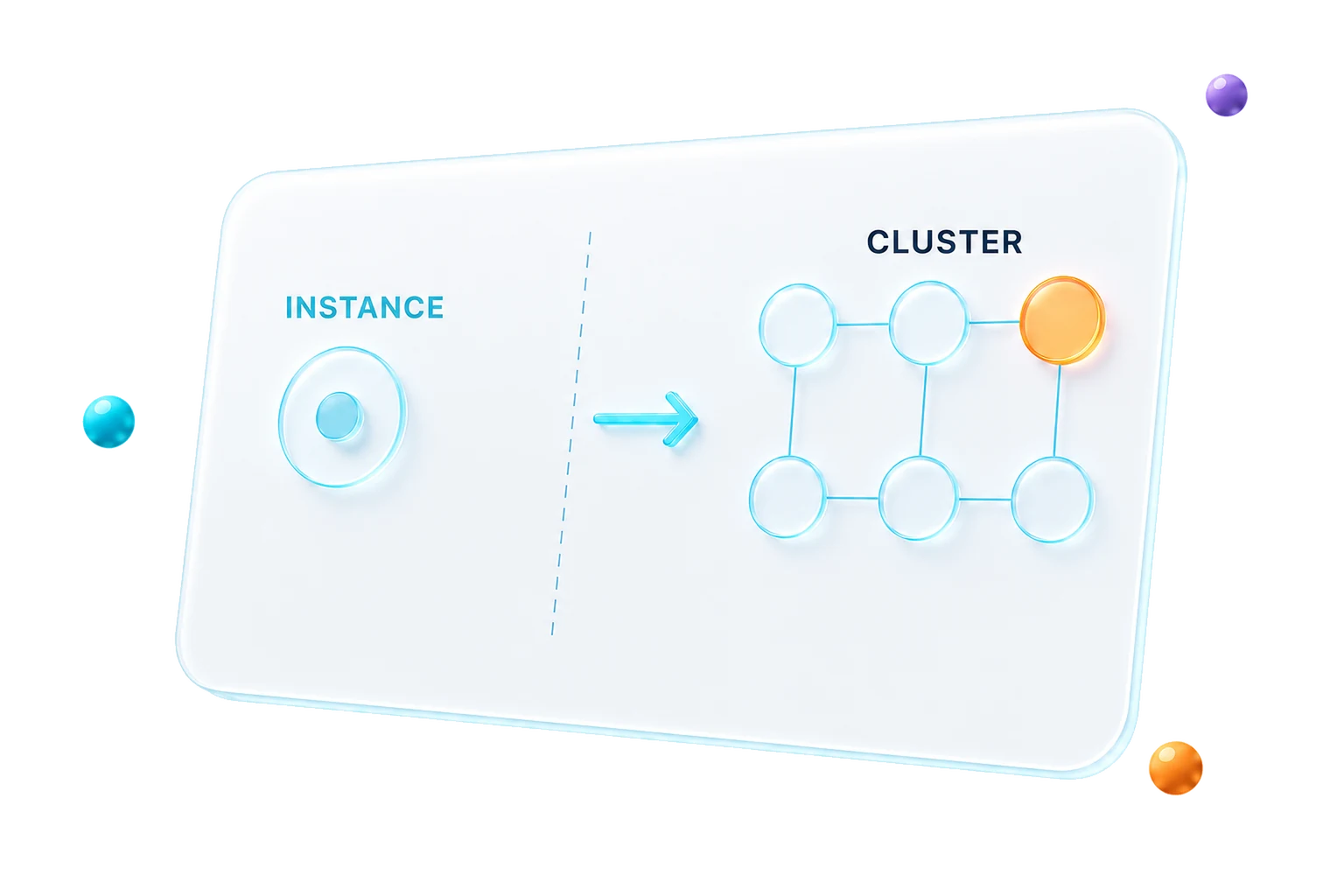
A single instance scaling out into a distributed cluster. A single instance scaling out into a distributed cluster.

Teams with traction and a roadmap moving faster than the team can ship.

Your roadmap is outpacing your engineering team

You have product-market fit and investor pressure to ship. Hiring takes four to six months. Scale gives you a managed senior engineering lane in weeks, not quarters.

You need mature judgment, not junior execution

Your roadmap includes AI integration, platform scaling, or regulated compliance work. These require mature judgment — not more junior engineers writing more tickets.

You're maintaining a system we built

Teams that finish a Pilot or Build can continue with Scale when they need ongoing roadmap delivery and architecture continuity — without committing to a full internal hire immediately.

You need to keep pace without a multi-quarter hiring bet

Hiring experienced engineers is a multi-year commitment. Scale gives you predictable engineering that can flex with your roadmap and wind down without a redundancy process.

What makes this different

Not staff augmentation. Ongoing engineering ownership.

Scale & Evolve is a different engagement category. You get the same engineers, the same architecture context, and clear accountability — month to month.

Same engineers every sprint

No rotating pool. The same people who onboarded to your codebase stay accountable through the engagement.

Architecture context stays

Decisions, tradeoffs, and technical debt context accumulate with the team — not lost between contractor rotations.

Monthly accountability reviews

Defined scope each month, a clear demo, and a written delivery summary. Engineering is visible and auditable.

Your repository, your tooling

We work in your GitHub, your Jira or Linear, your deployment pipelines. No proprietary dependency on Insoftex.

30-day exit, clean handoff

No multi-year contract lock-in. When your internal team is ready, we document, exit, and hand off cleanly.

Defined ownership. Architecture continuity. Monthly accountability.

Named, experienced engineers

You work with the same engineers each sprint. They know your architecture, your technical debt, and your product context. No rotating pool, no re-onboarding every month.

Architecture oversight

A named architecture reviewer examines every significant technical decision — schema changes, new integrations, AI model updates, infrastructure changes. Architectural drift is the leading cause of platform brittleness.

Monthly reviews

A structured monthly review of what was delivered, what is next, and whether the engagement scope is correct. Roadmap changes are handled explicitly, not absorbed silently into the backlog.

No lock-in

Scale engagements run on 30-day notice periods. We do not require 12-month contracts. You can adjust the monthly engagement scope without losing architecture context, and exit cleanly when you hire internally.

Structured, not open-ended.

Scoped after Pilot or Build

Scale engagements are scoped after we understand your system — through a Product Pilot, a Build engagement, or a technical call and codebase review. We do not take on ongoing capacity for systems we have not reviewed.

Defined sprint cadence

Fortnightly sprints with defined scope, a clear demo, and a written summary of what was completed. Engineering work is visible and accountable, not opaque.

Your repository, your tooling

We work in your systems — your GitHub, your Jira or Linear, your deployment pipelines. No proprietary tooling that creates a dependency on Insoftex.

AI-assisted delivery, under senior review

With client approval, our engineers use AI coding tools inside a controlled delivery process: written specs, architecture review, code review, testing, and clear restrictions on client data. AI can speed up execution; senior engineers remain accountable for production quality.

Concrete ownership, not vague capacity.

Roadmap delivery

Prioritized sprint scope, demos, and written delivery summaries — every fortnightly cycle.

Architecture continuity

Schema changes, integrations, infrastructure, and AI workflow updates reviewed before they create drift.

Production reliability

Defects, regressions, monitoring gaps, and reliability risks handled as part of the roadmap — not outside the engagement.

Knowledge transfer

Your repo, your tools, documented decisions, and a clean handoff when your internal team is ready.

70+ projects delivered since 2019
40+ engineers
95% client retention
Questions

Common questions

Can we start Scale without a Pilot or Build first?

Scale engagements are scoped after we understand your system — through a Pilot, a Build engagement, or a technical call and codebase review. We don't take on ongoing capacity for systems we haven't reviewed, so a short scoping step comes first. If you haven't worked with us before, that call is the starting point, not a blocker.

What happens if our roadmap changes mid-engagement?

Monthly reviews are built for this. Each cycle covers what was delivered, what's next, and whether the current scope still matches your roadmap. Changes are discussed and re-scoped explicitly in that review — not quietly folded into the backlog.

Do we need a long-term contract?

No. Scale runs on 30-day notice periods, not 12-month contracts. You can adjust the monthly engagement scope without losing architecture context, and exit cleanly once your internal team is ready to take over.

What happens to our code and tooling if we stop?

Everything stays yours throughout the engagement — your repository, your tooling, your deployment pipelines. When you exit, knowledge transfer means documented decisions and a clean handoff, not a scramble to reconstruct context after we leave.

Will the same engineers work every sprint?

Yes. You work with the same named engineers every sprint — no rotating pool. They carry architecture context, technical debt history, and product context forward, so you're not re-onboarding a new contractor every month.

Is AI-assisted delivery used without oversight?

No — AI tools are used only with client approval, inside a controlled delivery process: written specs, architecture review, code review, testing, and clear restrictions on client data. AI can speed up execution, but senior engineers remain accountable for production quality.

Building the case for ongoing engineering support?

Book a 30-minute technical call. We will review your roadmap, your current team structure, and whether Scale is the right shape for your situation — or whether a Pilot should come first.

Press Esc to close